Big Bullying ‘26: LaCabra’s Calculated Rise to Dominance
- Elias Mototo
- Apr 6
- 2 min read
by Wavy.Sasso
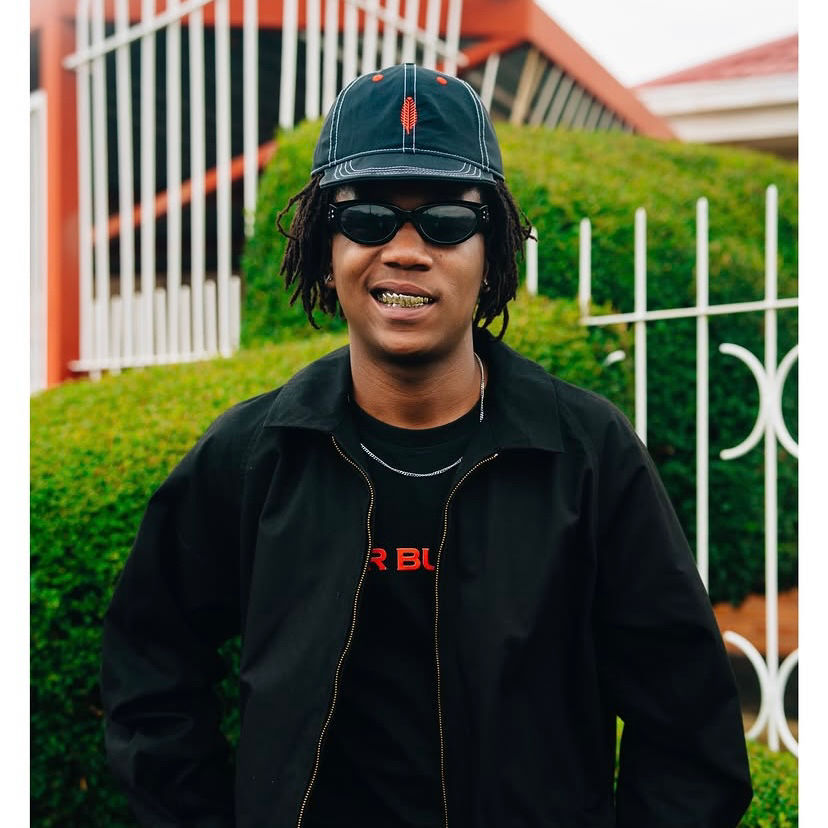
If there’s a shortlist of artists owning 2026 so far, LaCabra is firmly in that conversation—and not by accident. His ascent feels intentional, layered, and strategically executed. From a carefully timed album rollout to documentary storytelling that deepens his narrative, LaCabra isn’t just dropping music, he’s building a world.

Late last year, he introduced BIG BULLY, a project that does more than just showcase sound, it establishes identity. The “Big Bully” persona isn’t random. It draws inspiration from Laqasha, the notorious debt collector character from Sgud’s Nys, known for his intimidating presence and relentless pressure. That same energy bleeds into LaCabra’s music: unapologetic, assertive, and dominant.
But what makes this rollout stand out is how he extended the album beyond streaming platforms. Through documentaries, he took fans back to his roots, his neighbourhood, his early friendships, even intimate moments like where he had his first kiss. This level of vulnerability contrasts sharply with the “bully” persona, giving fans a dual perspective: the man and the myth. It’s a smart play, especially considering the groundwork already laid through his vlog-style content with Qwellers, where audiences have been getting a raw, day-to-day glimpse of the lifestyle.
Musically, the lead-up was just as deliberate. “Sala Kanje,” released in late 2025, served as a warning shot, a confident teaser that hinted at what was coming. Then came “Ballon d’Or” at the start of the year, a standout track that perfectly captures LaCabra’s tone right now: gritty, self-assured, and unbothered. It’s trap at its core, but elevated by his conviction. He’s not asking for approval, he’s declaring position.
The BIG BULLY album spans 14 tracks and reflects a versatile sonic palette. It opens aggressively, leaning into hard trap, before gradually softening into more melodic and introspective territory. Tracks like “Isbhamu” show clear influence from Sjava, blending emotional depth with street narratives. This balance is key, it prevents the project from becoming one-dimensional.
What’s equally impressive is the feature list. For an artist still early in his mainstream journey, securing names like A-Reece and Nasty C is no small feat. These aren’t just features for hype, they add credibility and broaden the album’s reach.
Then there’s the chemistry with Lowfeye, especially on “Twin/Brother.” Their synergy feels natural, almost inevitable. It’s one of those collaborations where you don’t question it, you expect it. And consistently, they deliver.

Outside of the album, LaCabra is everywhere. His feature run alone is reinforcing his presence across the scene. Tracks like “Matla, Thaata” with North Mob, “Shay Nduku” alongside Yungkiddreezy, and “Puppets” with Lowfeye are all gaining traction. One of those verses is already being discussed as a Verse of the Year contender, and it’s only April. That tells you everything about the level he’s operating on right now.

What’s happening here isn’t just momentum, it’s positioning. LaCabra is making a clear statement: he’s not here to participate; he’s here to lead. The “bullying” theme isn’t about aggression for the sake of it, it’s about dominance, confidence, and refusing to shrink.
If this trajectory holds, we’re not just witnessing a good run, we’re watching the foundation of a legacy being laid in real time.
Bullying 2026.


Comments